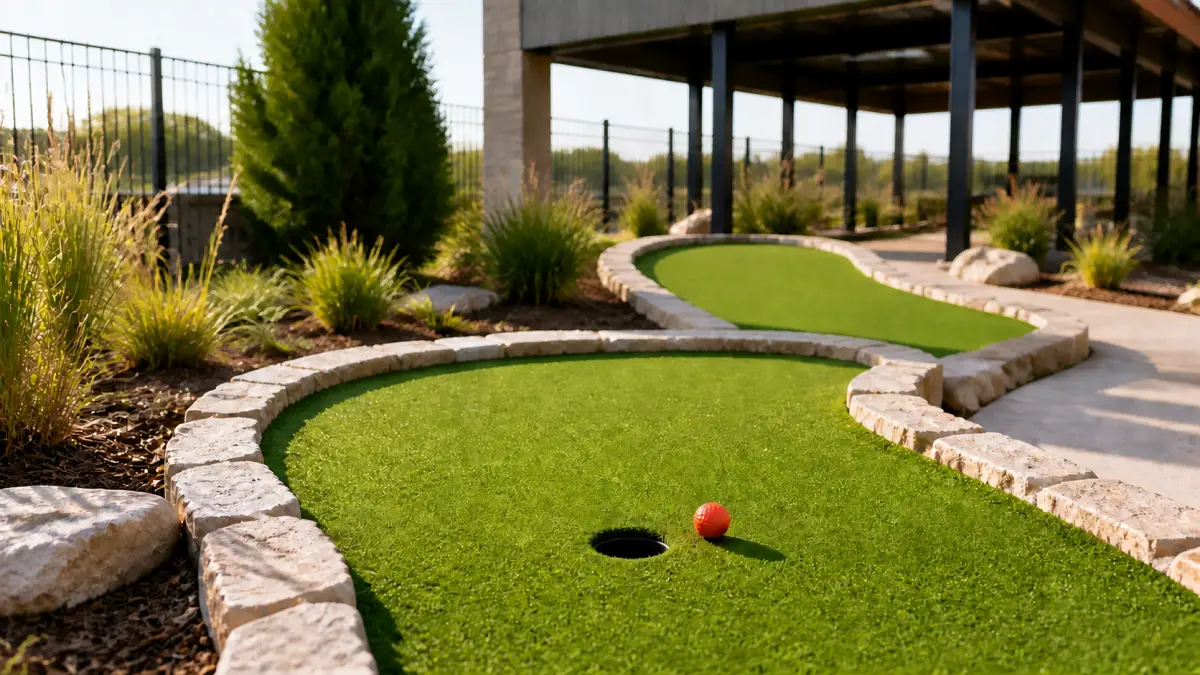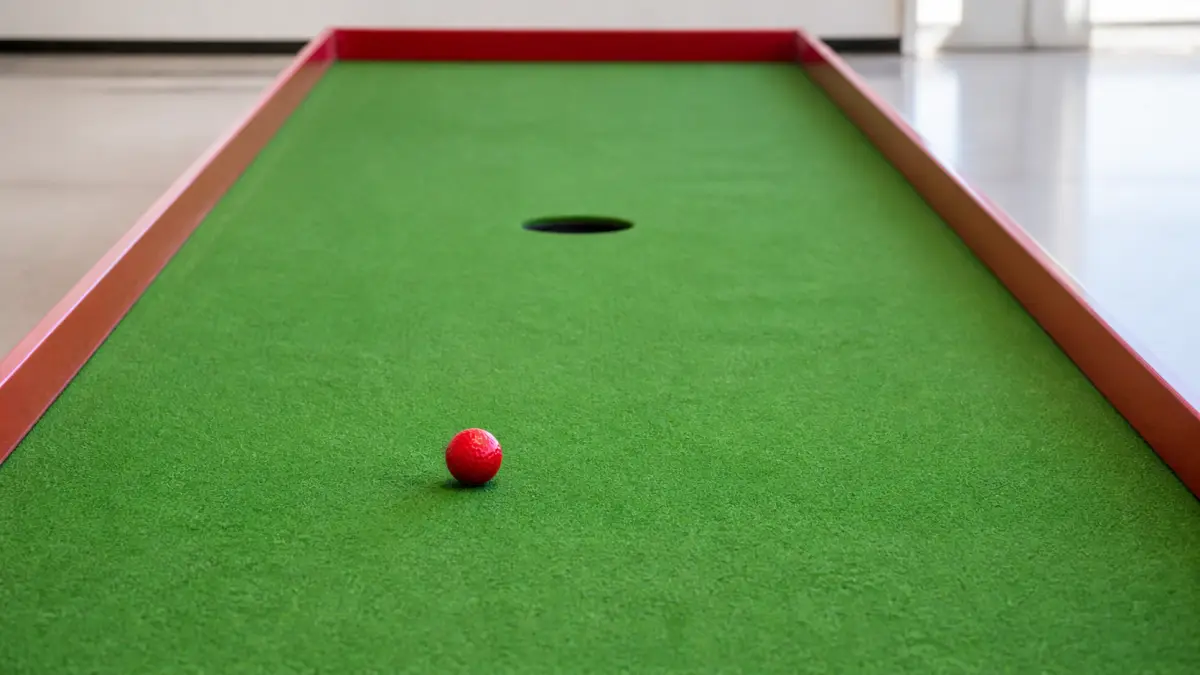

A mini golf fundraiser works best when it is simple to join, easy for local sponsors to support, and organized around a clear profit target. The most reliable plan is to sell player tickets, add hole sponsors, use one easy tournament format, and give families or teams a reason to stay for raffles, prizes, food, or a second activity.
Mini golf is a good fundraising format because people do not need golf experience, teams can mix ages and skill levels, and the event can fit schools, youth sports, churches, nonprofits, clubs, and workplace giving campaigns. The key is to plan the money first, then choose the course and games around that target.
How to plan a mini golf fundraiser
Start with the money you need to raise. Then work backward from venue cost, expected players, sponsor targets, and add-on sales.
For most small fundraisers, use this structure:
| Decision | Practical starting point | Why it matters |
|---|---|---|
| Fundraising goal | Net profit target after costs | Keeps pricing realistic |
| Lead time | 6 to 10 weeks for small events | Gives sponsors and families time to commit |
| Player format | Teams of 2 to 4 players | Easier check-in and scoring |
| Main revenue | Player tickets plus hole sponsors | Reduces pressure on ticket prices |
| Add-ons | Raffle, snack table, mulligans, prize entries | Helps raise more without making tickets too high |
| Pace rule | 5 or 6 stroke maximum per hole | Keeps groups moving |
| Awards | Winner, best team name, closest first putt | Makes the event feel finished |
If you are still choosing a venue, use the mini golf course directory to build a shortlist and compare local options by photos, services, ratings, and websites.
Choose the right fundraiser model
There are three common ways to run a mini golf fundraiser. Pick one before you ask for sponsors or sell tickets, because the model affects pricing, timing, and volunteer needs.
Venue-hosted mini golf fundraiser
A venue-hosted fundraiser uses an existing mini golf course. This is usually the easiest option because the course already has holes, putters, balls, lighting, bathrooms, parking, staff, and posted house rules.
Ask the venue whether they offer:
- Group pricing or nonprofit pricing.
- A reserved time block.
- A percentage-back fundraiser night.
- A private course rental.
- Party room, food, or arcade bundles.
- Help with flyers or ticket sales.
- Check-in tables, signs, microphones, or prize tables.
This model works well for schools, youth teams, church groups, local nonprofits, and clubs that want a low-build event. If weather is a concern, compare indoor mini golf options before you commit to an outdoor course.
Pop-up mini golf fundraiser
A pop-up fundraiser uses portable holes in a school gym, cafeteria, church hall, office, park, or community center. It can be memorable, but it has more setup work. Use the mini golf rental guide before requesting quotes so you can compare hole count, space, delivery, staffing, and weather policies.
This model can work when:
- You already have a venue available.
- The group wants to decorate holes around a theme.
- Sponsors want custom signs or tables.
- Students, staff, or employees can help build obstacles.
- The event is part of a carnival, festival, or family night.
Plan extra time for storage, setup, tear-down, floor protection, traffic flow, and safety. If your group is thinking about building temporary holes, use the mini golf hole ideas guide for party, office, school, and backyard layouts. For bigger permanent-course inspiration, the mini golf course ideas guide can help with obstacle ideas, but keep fundraiser holes simple and durable.
Tournament-style fundraiser
A tournament fundraiser uses normal mini golf play, but adds teams, scoring, sponsors, prizes, and an award moment. It is the strongest fit when you want local business support or a repeat annual event.
Use a tournament when:
- You can recruit teams ahead of time.
- Sponsors want clear recognition.
- Volunteers can manage check-in and scoring.
- The group enjoys competition.
- You want photos, awards, and social proof for next year.
If the event is mostly for coworkers or adult teams, pair this plan with the mini golf team building guide. For families and youth groups, keep the tournament light so new players still enjoy the round.
Build a simple mini golf fundraiser budget
Your budget should show gross revenue, costs, and expected net profit. Do this before setting ticket prices.
Use this starter worksheet:
| Line item | Example question |
|---|---|
| Venue fee | Is the course charging per player, per hour, or a flat rental? |
| Included items | Are putters, balls, scorecards, food, party space, or staff included? |
| Ticket revenue | How many players can you realistically sell? |
| Sponsor revenue | How many hole sponsors, title sponsors, or prize sponsors can you recruit? |
| Add-on revenue | Will you sell raffle tickets, snacks, mulligans, or extra games? |
| Printing and signs | Who is paying for sponsor signs, flyers, scorecards, and posters? |
| Prizes | Are prizes donated, sponsored, or purchased? |
| Payment fees | Are ticketing, card processing, or platform fees deducted? |
| Contingency | What happens if attendance is lower than planned? |
For a first event, use conservative attendance numbers. It is better to plan around 60 likely players and be happy with 80 than to price the event around 120 and miss the goal.
If you need a rough guest budget, use the mini golf cost calculator first, then adjust for sponsor income and add-ons. For normal ticket expectations, compare mini golf prices so your fundraiser price does not feel disconnected from local course prices.
Example mini golf fundraiser math
Use sample numbers before you publish tickets. The exact amounts will change by venue, city, food package, and sponsor support, but a simple model shows whether the event can hit the goal.
| Revenue or cost | Example | Running total |
|---|---|---|
| 80 player tickets at $15 | $1,200 revenue | $1,200 |
| Venue cost at $9 per player | $720 cost | $480 net |
| 18 hole sponsors at $50 | $900 revenue | $1,380 net |
| Raffle and snack table | $300 revenue | $1,680 net |
| Signs, printing, and supplies | $150 cost | $1,530 net |
In this example, the fundraiser clears about $1,530 before any payment fees or extra venue costs. If the group needs to raise $2,000, it can either sell more tickets, raise sponsor pricing, add a title sponsor, reduce venue costs, or add another low-effort revenue source such as a raffle.
Set ticket and sponsor pricing
Ticket pricing should cover the player experience, but sponsors should carry part of the profit goal. That keeps the event accessible for families and easier to promote.
Common ticket options include:
- Individual player ticket.
- Team ticket for 2, 3, or 4 players.
- Family pack.
- Student or youth ticket.
- Spectator or meal-only ticket.
- VIP ticket with raffle entries or drink tickets.
- Donation-only ticket for supporters who cannot attend.
Sponsor packages can be simple:
| Sponsor level | What they receive |
|---|---|
| Hole sponsor | Sign at one hole, scorecard mention, thank-you post |
| Prize sponsor | Recognition beside a donated prize or award |
| Team sponsor | Pays for a student, youth, or staff team |
| Food sponsor | Recognition near snack, pizza, or drink area |
| Title sponsor | Top placement on flyers, event page, signage, and awards |
Keep sponsor benefits easy to deliver. A printed sign at a hole, a logo on the event page, a mention in emails, and a thank-you photo are easier than complex promises you may forget during event week.
Local sponsor targets include dentists, real estate agents, restaurants, insurance offices, gyms, banks, tutoring centers, youth sports supporters, and businesses already connected to your school, team, or nonprofit.
Add fundraising ideas beyond tickets
The best mini golf fundraising ideas do not slow the round. They give people simple ways to contribute before, during, and after play.
Try these:
- Hole sponsors for every hole.
- Raffle baskets with donated local prizes.
- Silent auction table near check-in.
- Mulligan cards that let a player replay one bad putt.
- Closest-to-the-cup contest.
- Hole-in-one bonus prize on one selected hole.
- Team name contest.
- Snack, water, pizza, or dessert table.
- Photo station with the event sponsor.
- Donation jar or QR code at check-in.
- Company match reminder for workplace donors.
- Replay or second-round upsell if the venue allows it.
Use add-ons sparingly. A fundraiser with tickets, hole sponsors, and one raffle is easier to run than an event with six side contests and confused volunteers.
If you want more game formats, use the mini golf games and challenges guide. Team best ball, mystery bonus holes, and closest-to-the-cup points all work well for fundraiser groups.
Pick a mini golf tournament format
The best fundraiser format is the one people understand in 30 seconds. Complicated scoring creates check-in delays, scorecard mistakes, and awkward disputes.
Use one of these formats:
| Format | Best for | How it works |
|---|---|---|
| Team best ball | Mixed-skill groups | Everyone plays, and each team records its best score on each hole |
| Team average | Work outings | Every player finishes, and the team uses an average score |
| Stroke play | Competitive adults | Add every stroke. Lowest score wins |
| Closest first putt | Kids and casual groups | Award points for the closest first putt on selected holes |
| No-score awards | Family nights | Skip totals and give awards for team names, outfits, and moments |
For most fundraisers, team best ball is the safest default. It gives teams a score, but one beginner does not ruin the card. Use groups of 4 to 6 players per hole only if the venue approves it. Otherwise, split into smaller groups and stagger starts. If you need help choosing start styles, prize categories, and tie breakers, use the mini golf tournament ideas guide before printing scorecards.
Set a 5 or 6 stroke maximum per hole. This keeps the course moving and makes scoring easier. If players need the basics, link them to mini golf rules and scoring or the mini golf scorecard guide before event day.
Ask the venue these questions
Before collecting money, confirm the event details with the venue. A normal walk-in round is not the same as a fundraiser, especially if you have sponsors, food, signs, or a large group.
Ask:
- What dates and time blocks are available?
- What is the maximum number of players per hour?
- Is pricing per player, per group, or for private rental?
- Are deposits required, and are they refundable?
- What happens if attendance is lower than expected?
- Can sponsors place signs near holes?
- Are outside food, drinks, tables, or decorations allowed?
- Can your group use a check-in table?
- Are raffles, auctions, or prize drawings allowed on site?
- Can people pay at the door?
- Is the course accessible for guests using mobility aids?
- What is the weather policy for outdoor courses?
- Are there age limits, alcohol rules, or chaperone requirements?
- Can the venue provide receipts, invoices, or nonprofit paperwork?
For outdoor events, have a weather plan. For indoor or glow events, confirm capacity and noise level. If the group includes older adults, small children, or players with mobility needs, review mini golf accessibility before choosing the course.
Promote the fundraiser without overcomplicating it
Promotion should make the event easy to understand. People need to know who benefits, where it is, when it happens, what tickets cost, what is included, and how to register.
Use this basic promotion checklist:
- Event name and cause.
- Date, time, venue, and address.
- Ticket types and registration deadline.
- What the ticket includes.
- Sponsor levels and contact person.
- Raffle or prize preview.
- Rain plan or indoor note.
- Donation link for people who cannot attend.
- Clear refund or transfer policy.
Post in places your group already uses: school newsletters, team apps, church bulletins, parent groups, workplace Slack, local Facebook groups, email lists, and partner business pages. Give sponsors a short caption and image so they can promote the event without writing from scratch.
Do not rely only on one announcement. Use a schedule: launch, sponsor push, early ticket reminder, prize preview, final week reminder, and day-before logistics.
Plan check-in, scoring, and awards
Event day should feel calm. Most problems happen at check-in, first-hole crowding, and score collection.
Use these roles:
| Role | Job |
|---|---|
| Event lead | Main venue contact and final decision-maker |
| Check-in volunteer | Confirms names, tickets, wristbands, or teams |
| Sponsor lead | Places signs and takes sponsor photos |
| Course marshal | Keeps groups moving and answers scoring questions |
| Raffle lead | Handles tickets, baskets, and drawing times |
| Scorekeeper | Collects scorecards and names winners |
| Photo helper | Captures team, sponsor, and award photos |
Give every team the same short rule sheet. Include stroke limit, tie rule, prize categories, and where to turn in scorecards. If teams need sponsor-safe names for the bracket or photos, use the mini golf team names guide. If the course is busy, remind players to write scores away from the active hole. The mini golf etiquette guide covers the pace and courtesy details that matter on crowded courses.
Keep awards short. Good categories include lowest team score, best team name, best sponsor spirit, closest first putt, best comeback, and most enthusiastic group. Use the mini golf awards and prizes guide if you need more score, team, sponsor, or funny award categories.
Timeline for a mini golf fundraiser
Use a longer timeline if you need school approval, nonprofit board approval, corporate sponsors, or venue contracts.
| Time before event | What to finish |
|---|---|
| 10 to 16 weeks | Set goal, choose model, shortlist venues, draft sponsor levels |
| 8 to 10 weeks | Book venue, confirm capacity, launch sponsor outreach |
| 6 to 8 weeks | Open tickets, publish event page, assign volunteer leads |
| 4 to 6 weeks | Confirm prizes, order signs, push team registration |
| 2 to 3 weeks | Final sponsor reminders, volunteer schedule, check-in plan |
| 1 week | Confirm headcount, print materials, send player email |
| Event day | Check in teams, keep pace, collect scores, thank sponsors |
| 1 to 3 days after | Share photos, thank donors, report total raised |
For a small family night, you can compress the timeline. For a sponsored tournament, do not wait until the final month to recruit businesses. Sponsors need time to approve money, send logos, and share the event.
Mini golf fundraiser checklist
Before you launch:
- Set the net fundraising goal.
- Choose venue-hosted, pop-up, or tournament-style.
- Confirm the venue cost and capacity.
- Decide ticket types and sponsor levels.
- Pick one tournament format.
- Choose prizes and add-ons.
- Assign volunteer roles.
- Create a registration page or payment process.
- Prepare sponsor signs and thank-you language.
- Send players event-day rules and timing.
Before event day:
- Confirm final player count with the venue.
- Print check-in lists, scorecards, signs, and rule sheets.
- Pack pens, tape, clipboards, table signs, raffle tickets, and prize labels.
- Test QR codes and payment links.
- Confirm who handles money and receipts.
- Check weather and parking notes.
- Prepare thank-you posts for sponsors and volunteers.
After the event:
- Announce the total raised.
- Send thank-you notes to sponsors.
- Share photos with permission.
- Record what worked while it is fresh.
- Save sponsor contacts for next year.
- Compare actual profit with the original budget.
Where to find a mini golf fundraiser venue
The right venue depends on your group. A classic outdoor course can work well for families and youth sports. An indoor course is safer for weather-sensitive school events. A bar-style mini golf venue may be better for adult supporters, corporate teams, or evening fundraisers.
Start with mini golf by location, then compare course pages, photos, websites, hours, reviews, and group policies. If you want a ranked starting point in a larger market, browse the best mini golf courses pages.
Once you have two or three good venues, ask for group pricing and fundraiser rules. Then compare the full event fit, not only the ticket price. A course that provides staff help, food options, signs, or a private time block may be worth more than a cheaper course that leaves all logistics to volunteers.
If you are also planning parties or youth events, compare mini golf birthday party venues, kid-friendly mini golf courses, and the mini golf field trip guide before choosing the final site.
Mini golf fundraiser FAQ
How do you run a mini golf fundraiser?
Run a mini golf fundraiser by setting a fundraising goal, choosing a venue, selling player tickets, adding hole sponsors, planning simple games, and tracking costs before the event. Keep the format easy enough for families and first-time players.
How much should a mini golf fundraiser charge?
Set the ticket price after you know the venue cost, included food, expected attendance, and target profit. Many small fundraisers use a per-player ticket, then add sponsor packages, raffles, food, or prize entries so tickets stay affordable.
What are good mini golf fundraiser ideas?
Good mini golf fundraiser ideas include hole sponsorships, team tickets, closest-to-the-cup contests, raffle baskets, silent auction tables, mulligan cards, snack sales, funny awards, and sponsor-supported prize holes.
How far ahead should you plan a mini golf fundraiser?
For a small local fundraiser, start planning 6 to 10 weeks ahead. Larger school, nonprofit, or corporate events usually need 10 to 16 weeks for sponsors, promotion, venue approval, signs, and group booking.
What mini golf format works best for fundraisers?
Team best ball is usually the easiest mini golf fundraiser format. Mixed-skill players can relax, teams move faster, and every group still has a score to compare.
How do hole sponsors work at a mini golf fundraiser?
A hole sponsor pays for recognition at one hole, usually through a sign, table card, scorecard mention, event page listing, or thank-you post. Local businesses are often the best sponsor targets because they already want community visibility.
What should a mini golf fundraiser budget include?
A mini golf fundraiser budget should include venue fees, player tickets, sponsor signs, prizes, food, payment fees, printing, decorations, insurance or permits if needed, and a small contingency. Track net profit, not only ticket revenue.
Can kids help with a mini golf fundraiser?
Kids can help with check-in, scorecards, raffle tickets, sponsor thank-you notes, award names, and promotion. Adults should handle money, waivers, permits, venue communication, and any rules involving raffles or food.
Mini Golf Spots
Find Mini Golf Courses Near You
Browse local courses, compare ratings, and find the right place for your next round.