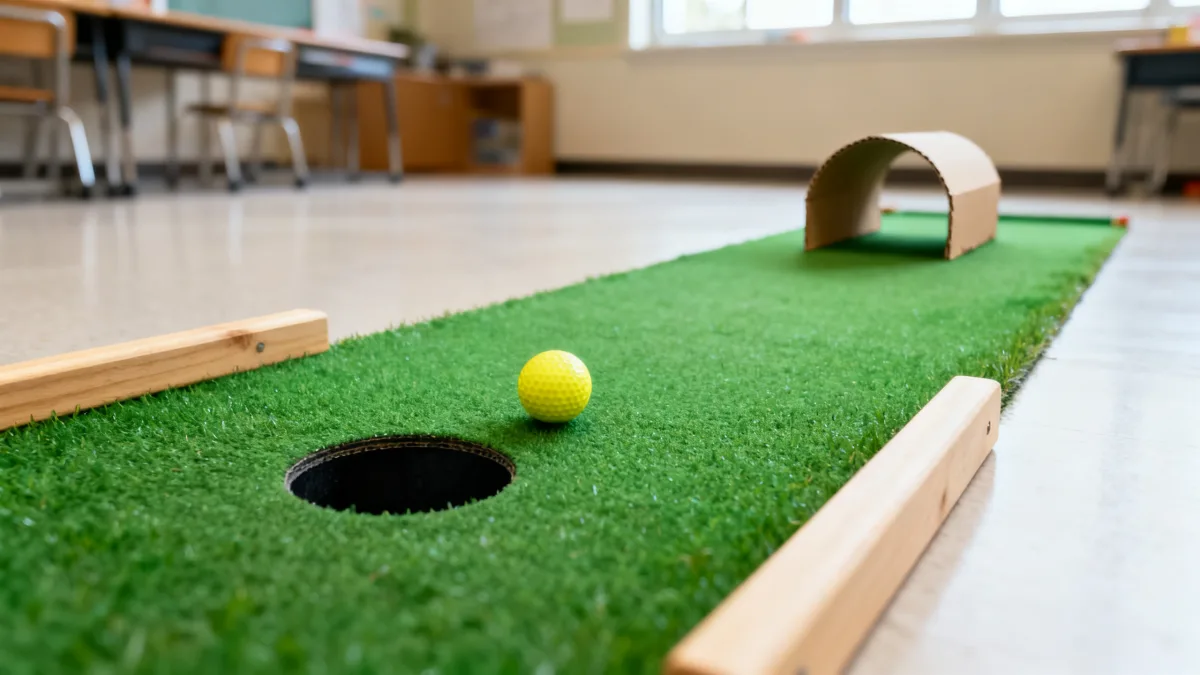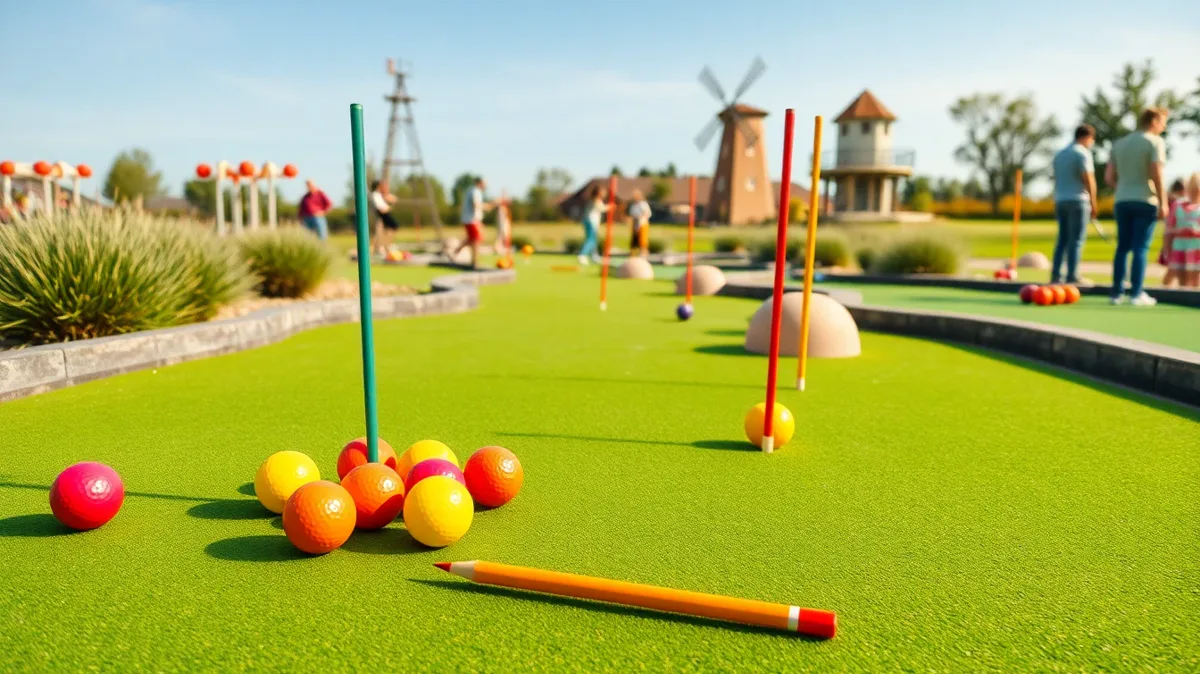

A mini golf field trip works best when the venue can handle school logistics, not just a normal walk-in round. The right plan covers group pricing, buses, chaperones, bathrooms, lunch, accessibility, timing, and simple student rules before anyone gets a putter.
Mini golf is a useful field trip format because students can play without sports experience, groups can rotate through holes, and teachers can add a light STEM, math, teamwork, or end-of-year celebration angle. Use this guide to choose the right venue, ask better booking questions, and keep the day organized.
Quick answer: mini golf field trip planning
For most schools, camps, daycares, scouts, and youth groups, the best mini golf field trip plan is an indoor or easy-access venue, groups of 4 to 6 students per hole, one adult for every 8 to 12 students, a 5 or 6 stroke maximum, and a schedule that allows 90 minutes to 2.5 hours on site.
Start with the mini golf course directory, make a shortlist by location and venue type, then call each course before collecting permission slips. A course that looks perfect for a family may not have bus parking, group rates, lunch space, or enough staff for a class-sized group.
Mini golf field trip planning checklist
Use this checklist before you ask for approval or send families the details.
| Decision | Good starting point | Why it matters |
|---|---|---|
| Group size | Confirm total students, adults, and staff | Venues may have group minimums or hourly limits |
| Time on site | 90 minutes to 2.5 hours | Allows check-in, play, bathrooms, and pickup |
| Group setup | 4 to 6 students per hole | Keeps pace manageable and supervision clear |
| Chaperones | One adult per 8 to 12 students | Use your school policy if it is stricter |
| Round length | 9 holes for younger kids, 18 holes for older groups | Shorter rounds reduce fatigue and delays |
| Stroke limit | 5 or 6 strokes per hole | Prevents one hard hole from stalling the trip |
| Venue type | Indoor for fixed schedules, outdoor for scenic days | Weather risk changes the whole plan |
| Lunch plan | Confirm food, outside food, or picnic space | Many venues have strict food policies |
| Learning angle | STEM, math, teamwork, or celebration | Helps justify the trip and focus behavior |
If this is part of a larger youth event, compare the mini golf group event planning guide. If the outing is specifically for younger kids, start with mini golf for kids near you and then call venues directly about school groups.
Choose the right venue type
Different mini golf venues solve different field trip problems. The best choice depends on weather, age, transportation, lunch, noise level, and whether you need a learning component.
Indoor glow or themed mini golf
Indoor mini golf is usually the easiest fit for schools and camps because the schedule is less exposed to rain, heat, cold, and wind. Glow courses and themed indoor venues can also work well for students who need a more contained environment.
Choose an indoor venue when:
- The trip date cannot move.
- You need a predictable pickup time.
- The group includes younger children.
- Weather or summer heat is a serious risk.
- You need arcade, party room, or lunch add-ons.
Compare indoor mini golf options if weather is the main constraint, and use the glow mini golf guide if blacklight courses are on the shortlist.
Outdoor course or park course
Outdoor mini golf can be better when the group needs fresh air, picnic space, and a classic course feel. It can also be easier for buses if the venue has a large lot or is inside a park.
Check the outdoor details carefully:
- Shade and heat exposure.
- Rain policy and rescheduling rules.
- Bathrooms close to the course.
- Water fountains or refill options.
- Picnic tables or group gathering space.
- Safe walking routes from bus drop-off to check-in.
Use the outdoor mini golf guide for examples, then confirm weather and group rules with the course.
Family entertainment center
Family entertainment centers are useful when mini golf is only one part of the trip. Some include arcades, laser tag, bowling, batting cages, food, or private rooms. That can make the trip easier to bundle, but it can also make supervision harder.
Ask whether attractions are included or priced separately. If the group has limited time, one clear activity is often better than a package with too many choices.
Tech mini golf venue
Some tech-focused venues publish dedicated school programs. For example, as of June 2026, the Puttshack field trip program lists lesson plans by grade range, field trip packages starting at $9 per student, and a minimum group size for its education program. Treat that as a useful example, not a guarantee at every location.
Tech venues can be a good fit for older students, STEM framing, and urban trips, but check the age policy, noise level, food rules, and whether the venue is school-friendly during the time you want.
How long to schedule for a field trip
A small 18-hole mini golf round often takes 45 to 90 minutes, but a field trip needs more time than a family outing. Students move slower at arrival, need bathroom breaks, ask more questions, and may need help with scorecards.
Use this planning schedule for an 18-hole trip:
| Time block | Typical time |
|---|---|
| Bus unloading and check-in | 10 to 20 minutes |
| Rules and group assignments | 5 to 10 minutes |
| Mini golf round | 45 to 90 minutes |
| Bathrooms and water break | 10 to 15 minutes |
| Lunch, arcade, or second activity | 30 to 60 minutes |
| Pickup and bus loading | 10 to 20 minutes |
For younger children, a 9-hole round plus lunch or playground time may work better than forcing 18 holes. For older students and camps, 18 holes usually feels complete. The 9 holes vs 18 holes guide can help you choose, and the how long mini golf takes guide covers normal outing timing in more detail.
Field trip pricing and booking questions
Mini golf field trip pricing is usually different from walk-in pricing. Some venues charge per student, some use group packages, some include arcade credit or food, and some require a deposit.
As a current example, Puttshack lists field trip packages by student, while some Monster Mini Golf field trip pages list location-specific packages with 18 holes, arcade play, rooms, and group minimums. A local outdoor course may use a simpler group rate instead.
Ask every venue these questions:
- What is the per-student price, and what does it include?
- Is there a group minimum or maximum?
- Are chaperones free, discounted, or full price?
- Is a deposit required?
- What is the cancellation or rescheduling policy?
- Are tax, service fees, or booking fees included?
- Can the school pay by invoice, check, card, or purchase order?
- Are food, drinks, arcade cards, or party rooms included?
- Can students bring outside lunches or water bottles?
- Is there a private area for bags, coats, or lunches?
- Where can buses load, unload, and park?
- How many students can start per hour?
- Will staff help with groups, scorecards, or rotation?
If cost is the main concern, use the mini golf prices guide to understand normal price ranges and the mini golf coupons guide to compare public discounts with group pricing. A group rate is often cleaner than asking every student to use a coupon.
Add a STEM or classroom connection
Mini golf can be a simple reward trip, but it also works as a light STEM activity. Students can see angles, force, friction, slope, measurement, and probability in a setting that does not feel like a worksheet.
A simple STEM plan can include:
| Lesson idea | On-course prompt |
|---|---|
| Angles | Which wall gives the best bank shot toward the cup? |
| Force | What happens when the first putt is too soft or too hard? |
| Friction | Which surface slows the ball most? |
| Slope | How does an uphill putt change speed? |
| Measurement | How far did the ball roll after the first putt? |
| Probability | Which hole produced the most twos, threes, or stroke-limit scores? |
| Design | What makes a hole fair for beginners but still interesting? |
You do not need to turn the whole trip into classwork. One pre-trip question, one scorecard observation, and one post-trip discussion can be enough.
For a more formal activity, use the classroom mini golf STEM lesson plan before the trip. The Science Buddies mini golf physics activity also shows how course design can connect to rolling and bouncing balls. If your students are designing their own holes later, the mini golf course ideas and mini golf course design guides can help with obstacle and layout vocabulary.
Group rules for students
Students need fewer rules than adults think, but the rules should be clear before the first group starts.
Use this simple field trip rule sheet:
- Stay with your assigned group and chaperone.
- Hold putters down when walking.
- Do not swing a putter above knee height.
- Wait until the group ahead clears the hole.
- Everyone takes a first putt before second putts unless the venue says otherwise.
- Use a 5 or 6 stroke maximum.
- Write scores after leaving the active hole.
- If a ball leaves the hole, ask the chaperone before moving it.
- Respect other groups, staff, decorations, and equipment.
- Tell an adult before using the bathroom, arcade, or snack area.
If students need the basics before the trip, send the mini golf rules and scoring guide and the mini golf scorecard guide. If you want low-pressure formats, the mini golf games and challenges guide has options like obstacle bingo, closest-to-the-cup points, and team scores.
Accessibility and inclusion checks
Do not assume every mini golf course works for every student. Some courses have stairs, bridges, narrow paths, dark rooms, loud music, flashing lights, water edges, or uneven surfaces.
For U.S. facilities covered by ADA miniature golf standards, the U.S. Access Board miniature golf guidance says at least 50 percent of holes must be accessible when the standards apply, and accessible holes should be consecutive. That rule is a starting point for facility design, not a substitute for asking practical student-specific questions.
Ask the venue:
- Which holes are wheelchair accessible?
- Can students using mobility aids play with their group, or do they need a separate route?
- Are putters available in different lengths?
- Is the course too dark, loud, crowded, or overstimulating for some students?
- Are there quiet spaces for breaks?
- Are bathrooms accessible and close to the course?
- Are staff comfortable supporting school groups with mixed needs?
- Are there food allergy rules if meals or snacks are included?
Use the mini golf accessibility guide before finalizing the venue. If a student cannot participate comfortably, choose a different course or adjust the plan before permission slips go out.
What to send before trip day
Families and students should get practical information, not a long event memo.
Send:
- Venue name, address, and website.
- Date, departure time, return time, and pickup notes.
- Cost per student and what is included.
- Whether lunch, snacks, or water are provided.
- What students should wear.
- Whether spending money is allowed.
- Chaperone group assignments if available.
- Accessibility, medication, allergy, and behavior notes.
- Rain plan or indoor confirmation.
- Contact person for day-of questions.
For clothing, comfortable shoes matter more than golf clothes. Outdoor courses may need hats, sunscreen, or jackets. Indoor glow courses may be darker and louder. The what to wear mini golfing guide has more general outfit advice.
Where to find a mini golf field trip venue
Start local, then narrow by logistics. The best field trip venue is not always the highest-rated course. It is the venue that fits your group size, transportation, timing, budget, accessibility needs, and supervision plan.
Use this order:
- Browse mini golf courses near the school, camp, or pickup point.
- Check mini golf by location if you are comparing cities or suburbs.
- Look at best mini golf courses when you need ranked starting points in bigger markets.
- Compare indoor mini golf, outdoor mini golf, and kid-friendly mini golf based on the group.
- Call or email the top two or three venues with your exact student count, date range, arrival window, and adult count.
When you contact venues, ask for the total cost in writing. Include students, adults, food, arcade cards, room fees, taxes, deposits, and any optional add-ons. Then choose the venue that makes the trip easiest to run, not just the cheapest option.
Mini golf field trip FAQ
How do you plan a mini golf field trip?
Plan a mini golf field trip by choosing a venue that can handle your group size, confirming pricing and deposits, assigning chaperone groups, setting a realistic schedule, and sending students simple safety and scoring rules before trip day.
Is mini golf a good school field trip?
Mini golf can be a good school field trip because it is easy to learn, low-pressure, and flexible. It can work as a reward day, camp outing, STEM activity, math extension, teamwork exercise, or youth group trip.
How long does a mini golf field trip take?
Budget 90 minutes to 2.5 hours for most mini golf field trips. A normal 18-hole round can take 45 to 90 minutes, but field trips need extra time for arrival, bathrooms, lunch, group movement, and bus loading.
How many chaperones do you need for a mini golf field trip?
Follow your school, camp, district, or organization policy first. As a planning starting point, one adult for every 8 to 12 students usually works well, with one lead adult staying free for check-in, payment, and venue questions.
What age is best for a mini golf field trip?
Elementary school, middle school, camp, scout, homeschool, and youth groups can all work. Younger kids need smaller groups, shorter rounds, short putters, bathroom reminders, and a stroke limit. Older students can handle scoring, STEM prompts, and team formats.
Can mini golf be a STEM field trip?
Yes. Mini golf can support STEM lessons on angles, slope, force, friction, measurement, score data, probability, and course design. Keep the lesson simple so students still have time to play.
Should a field trip choose indoor or outdoor mini golf?
Choose indoor mini golf when the date cannot move or weather is a major risk. Choose outdoor mini golf when the course has shade, bathrooms, group space, safe walking routes, and a clear rain or heat policy.
What should teachers ask a mini golf venue before booking?
Teachers should ask about student pricing, group minimums, chaperone admission, deposits, bus parking, food rules, lunch space, accessibility, private rooms, staff support, arrival timing, cancellation rules, and how many students can play per hour.
How do you keep students moving on a mini golf field trip?
Keep students moving by using groups of 4 to 6, assigning a scorekeeper, setting a 5 or 6 stroke maximum, writing scores away from the active hole, and spacing groups across the course with help from venue staff.
Mini Golf Spots
Find Mini Golf Courses Near You
Browse local courses, compare ratings, and find the right place for your next round.